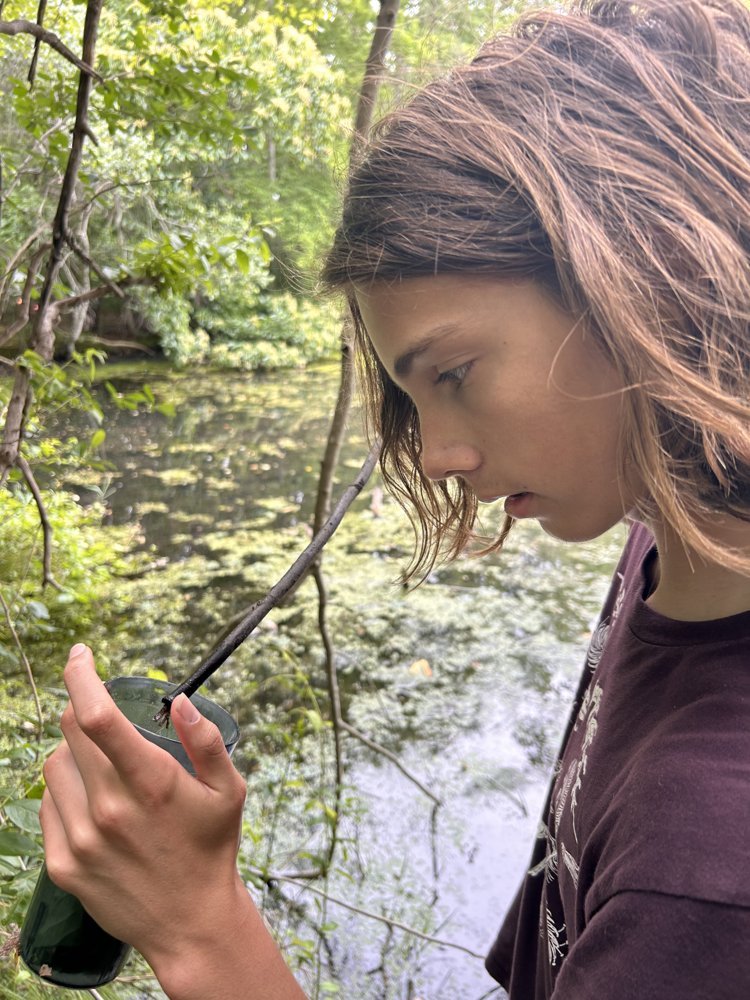
Nico's research, work history, and what he's learned along the way.
Stony Brook University, School of Marine and Atmospheric Sciences ยท Jul 2025 โ Sep 2026
Mentor: Dr. Christopher Gobler
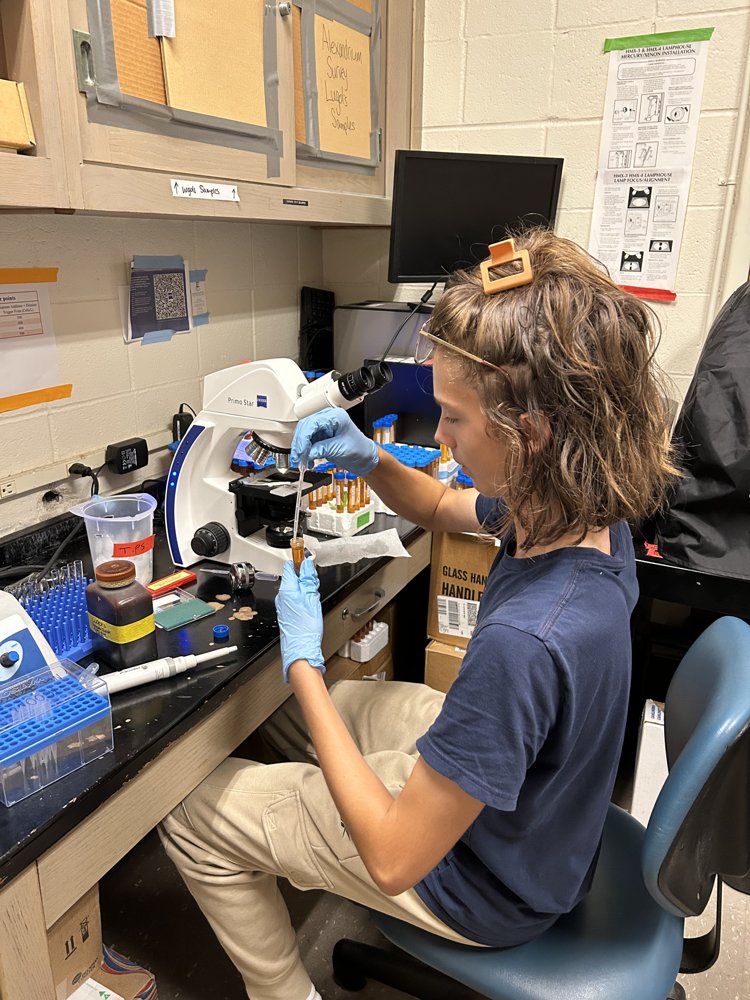
Developed and carried out methodology for harmful algal bloom experiments, assisted with larger lab projects, and troubleshot experimental inconsistencies to make sure the data stayed accurate.
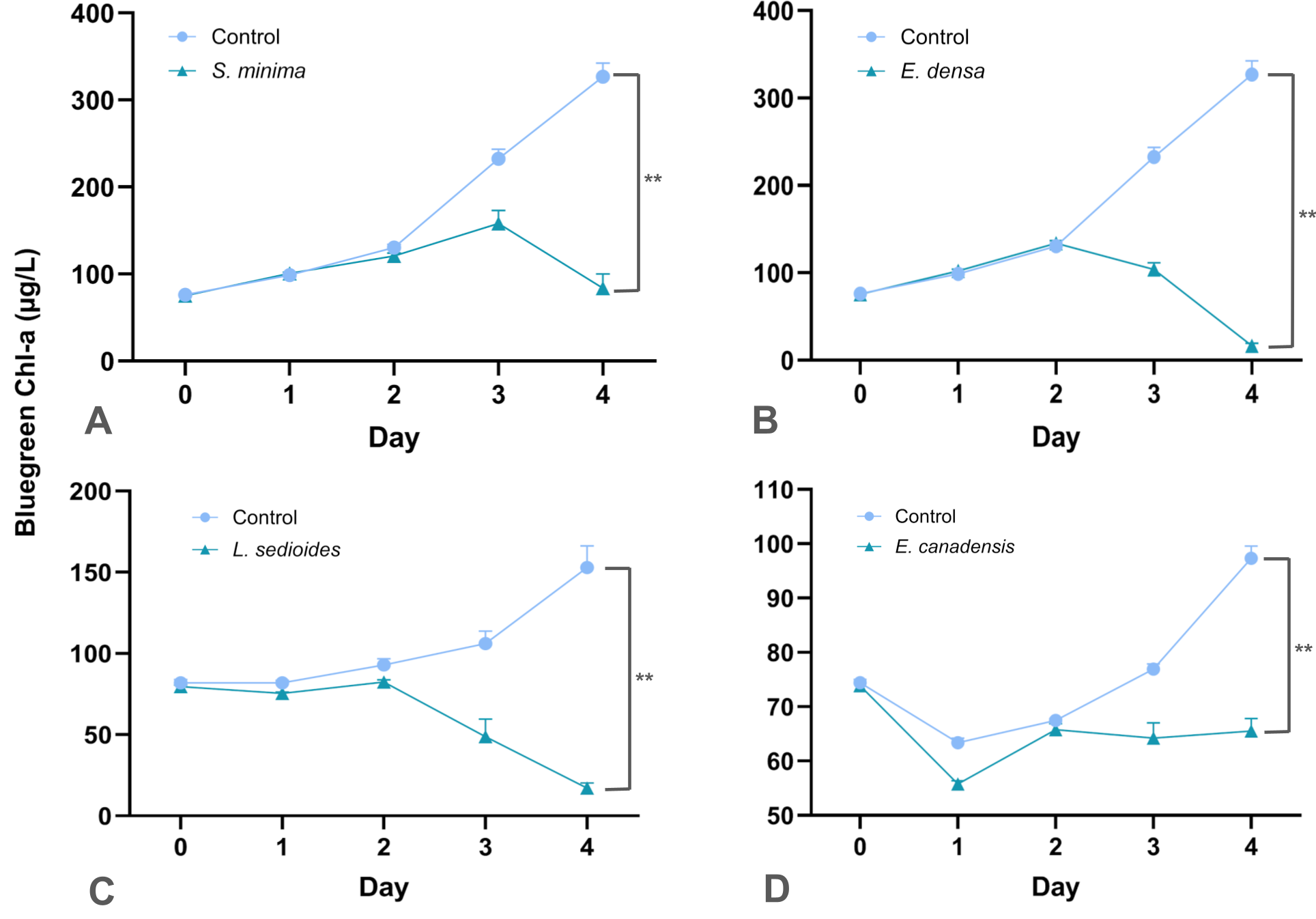
Figure 1. M. flos-aquae growth over four-day periods grown with the macrophytes A) S. minima, B) E. densa, C) L. sedoides, D) E. canadensis. Data points are means ยฑ SEM (n = 3). ** p < 0.01. Tap to view full-size.
Through the REACH Challenge, Nico co-led teams that designed and built assistive devices with students at the Children's Learning Center, part of the Cerebral Palsy Association of Nassau County (CP Nassau).
Team Co-Lead ยท REACH Challenge Team #HS6017 ยท 2024
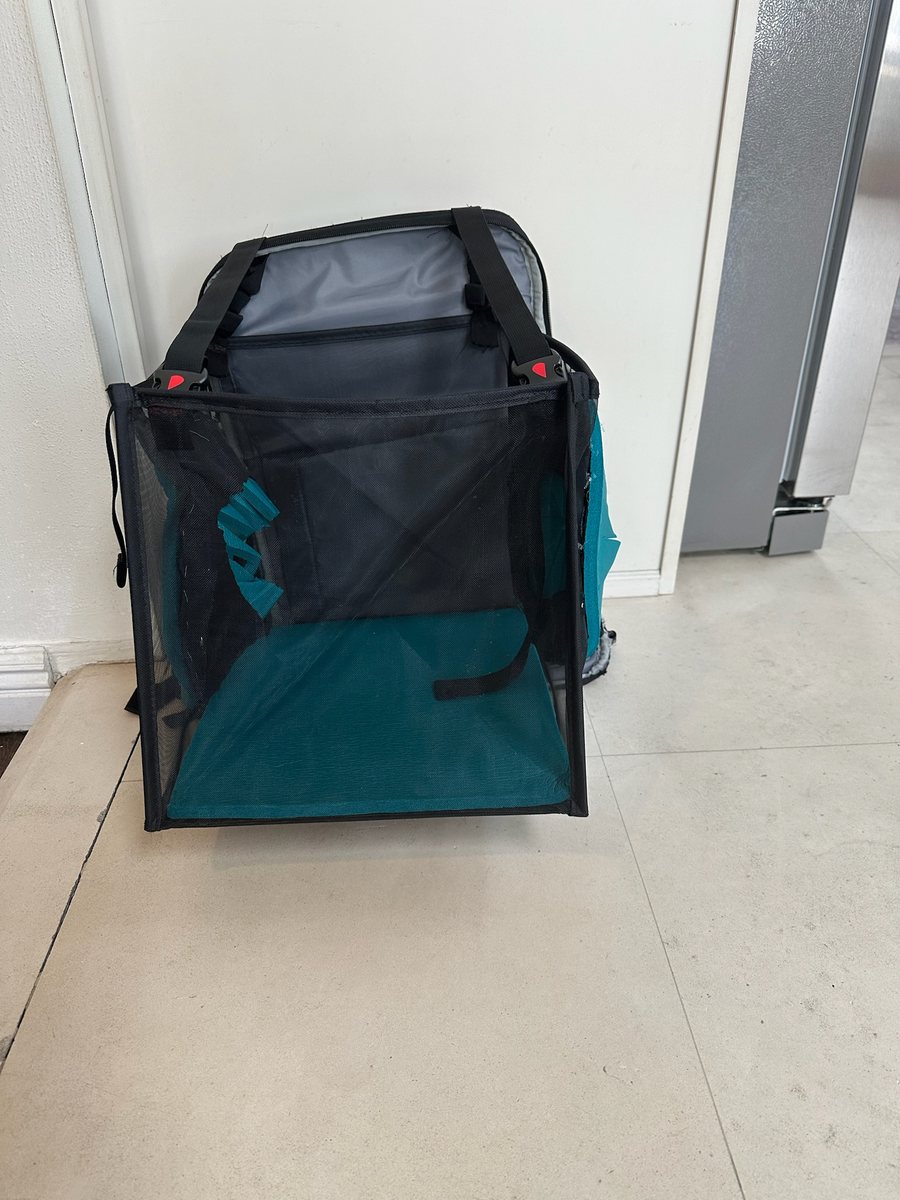
A hands-free carrier for a student who has trouble keeping his balance while walking and carrying things at the same time. Backpack-style straps fasten over the shoulders and hold a collapsible basket against the chest, so his arms stay free for balance and to catch himself if he falls. It was built to help him hand out materials and snacks from the school store, and he now uses it to carry everyday items too.
Team Co-Lead ยท REACH Challenge Team “Adaptive Chair” ยท 2025
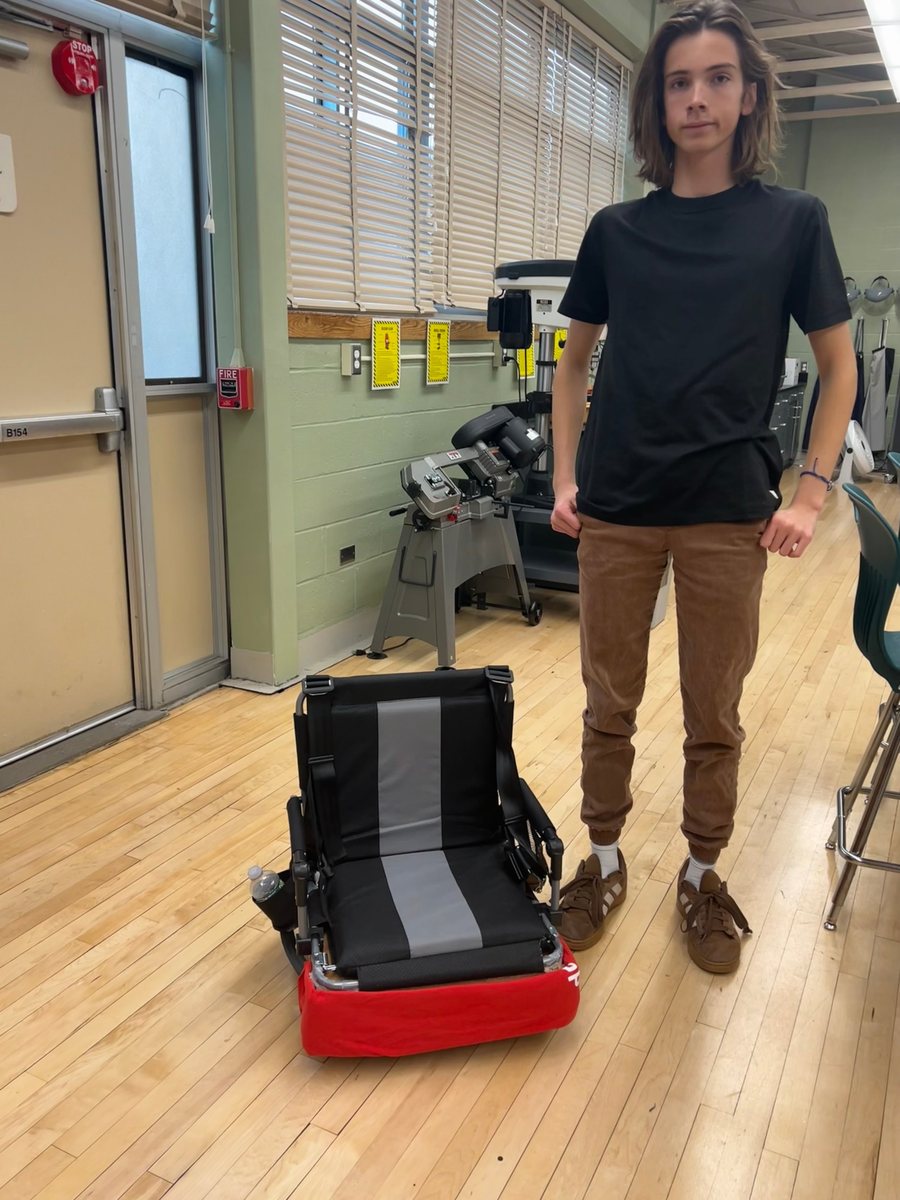
A sports chair for students with limited strength and balance in their legs. The low, unsupported scooters used in gym class left some students unable to join in. The EquiPlay adds a wider base on scooter wheels, a raised platform, and a secure seat with go-kart-style seatbelts, so it's safer and more comfortable. When students tried it, they were delighted by how much easier it was to use than seatless scooters.
Jones Beach retail shop ยท Jun 2024 โ Sep 2026 (3 summers)
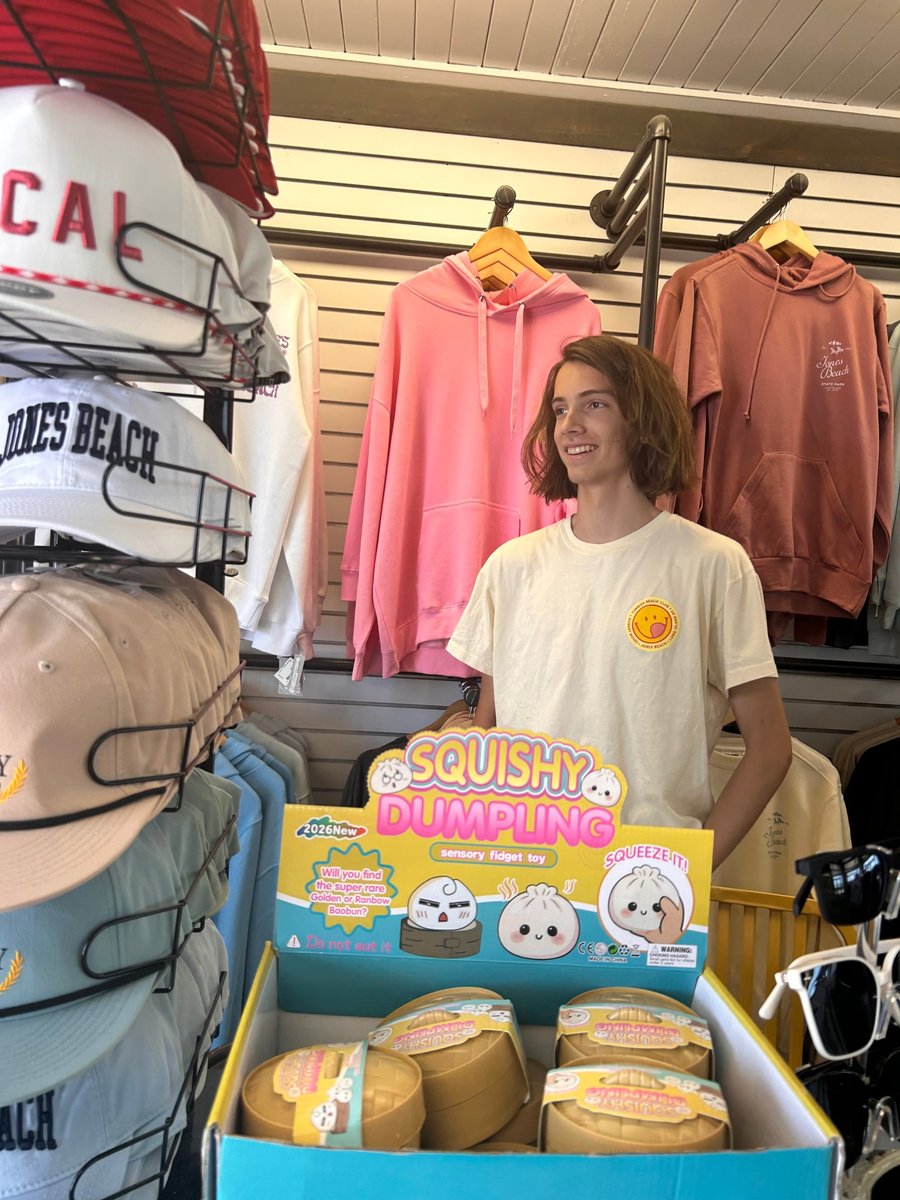
Organized and cleaned retail shops, provided welcoming customer service while answering questions and resolving issues quickly, and operated a Clover POS system to process cash and credit transactions and manage discounts.
John F. Kennedy High School ยท Sep 2023 โ Jun 2025 (2 years)
Trained in food preparation including slicing, cutting, chopping, and mincing, and worked as a customer service member for events and luncheons.
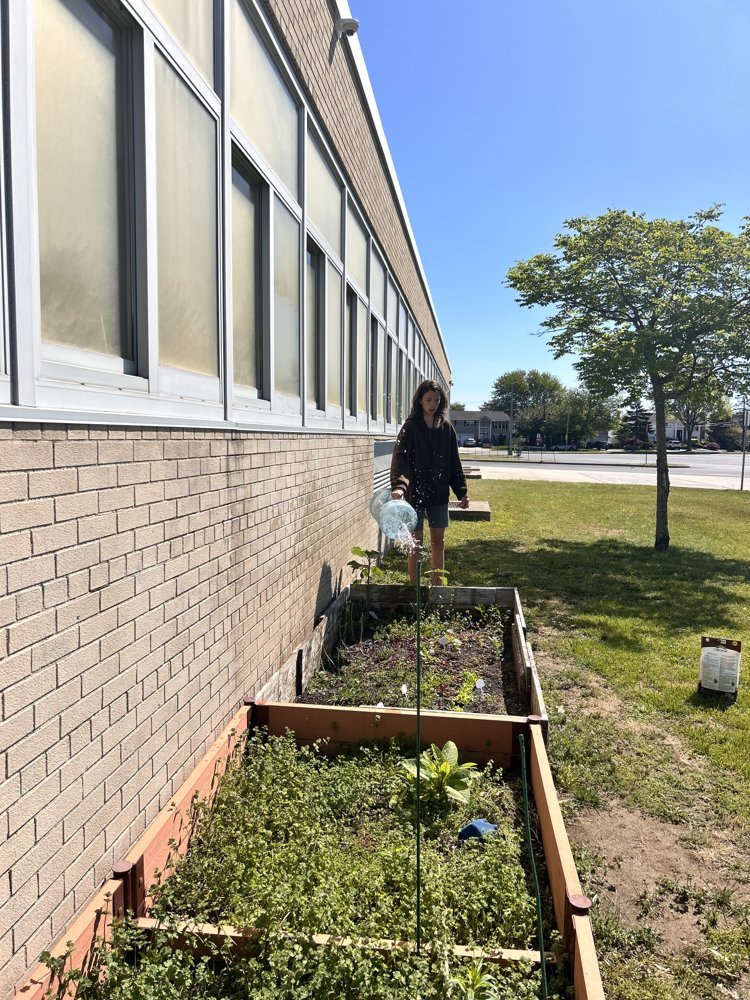
The school garden grows food for a local Community Cupboard. As president, Nico manages the planting, watering, and maintenance of the garden. He also started a composting program that turns garden waste, along with food scraps from the school's culinary program, into compost. Adding it back into the garden has helped rebuild the soil's health naturally and increased the amount of food the garden can donate.
Regents Diploma, Honors and AP Track, Honor Roll ยท 2023 โ 2027
Abstract
Harmful Algal Blooms (HABs) are excessive algal growth, such as cyanobacteria, that threaten aquatic ecosystems and public health. Biological controls such as aquatic macrophytes offer long-term and environmentally friendly HAB treatment. The macrophytes Oedogonium foveolatum, Egeria densa, Elodea canadensis, Ludwigia sedoides, and Salvinia minima were tested in this study as potential species to mitigate harmful cyanobacteria. Chl-a concentrations, a proxy for cyanobacterial growth, were measured using a bbe Moldaenke FluoroProbe throughout the experiments to determine how macrophytes affected cyanobacterial growth. A CAAS Cube Automated ELISA System was used to measure microcystin concentrations. All five macrophyte species showed lower final Chl-a concentrations than the control, with O. foveolatum, E. densa, E. canadensis, L. sedoides, and S. minima ending at Chl-a concentrations that were 94.7%, 94.9%, 32.7%, 88.8%, and 74.4% lower than the control, respectively. However, O. foveolatum did not restrict cyanobacterial growth in future experiments. This suggests that these macrophytes used biological mechanisms to outcompete M. flos-aquae effectively. E. densa and E. canadensis treatments tested for microcystins both exhibited decreased total microcystin concentrations, but only E. canadensis decreased the microcystin per cyanobacterial biomass, suggesting it may be more effective at decreasing microcystin production. To test whether allelopathy was the mechanism, aqueous extracts of E. densa and S. minima were prepared and added to M. flos-aquae cultures. The E. densa extract treatment reduced Chl-a concentration by 80.5% compared with the control. This suggests that E. densa contained allelochemicals that strongly inhibited M. flos-aquae. Either extracts or live plants could be applied to a harmful algal bloom, depending on how the plant affects the ecosystem and whether it is invasive. These findings provide future researchers with target species to study further and fully understand the consequences of adding these macrophyte treatments to ecosystems before testing them in field-scale experiments to mitigate harmful algal blooms.